
FOLLOW-UPSchools and companies · 7 min read
From inspection finding to verified correction.
A practical guide to recording the issue, assigning the work and checking the outcome.
Read article ↗
The action that keeps slipping. The record you cannot find. The review that needs a better starting point. Practical reading for the people looking after schools and workplaces.
Free to read. No signup. Selected articles include downloadable checklists.42 articles for schools and companies
A practical guide to recording the issue, assigning the work and checking the outcome.
Read article ↗
Review incidents, actions, inspections and risk without relying on a single score.
Read article ↗
Bring the preparation records and outstanding decisions into one review.
Read article ↗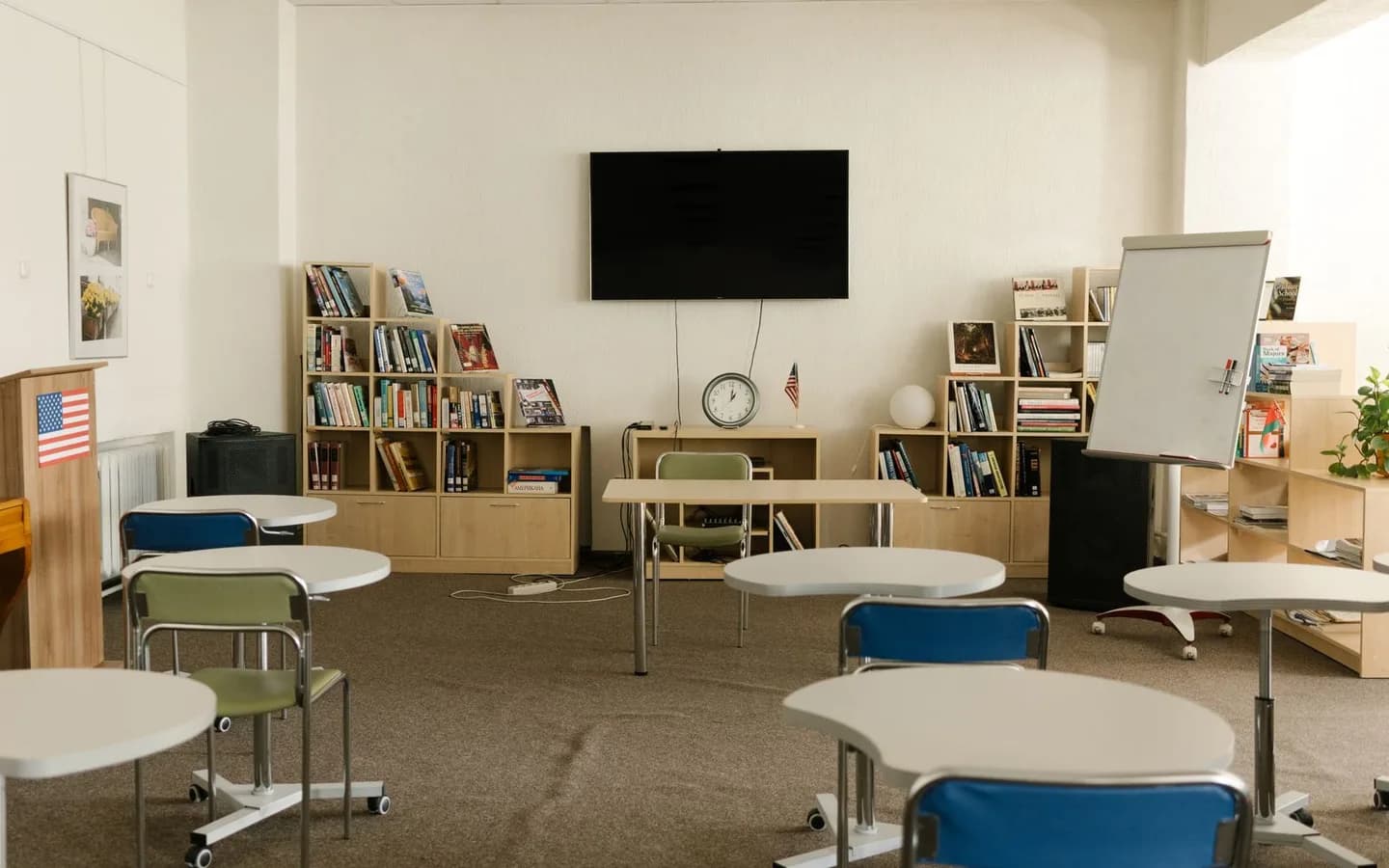
Build a practical school safety checklist with clear observations, useful handovers and a meaningful completion check.
Read article ↗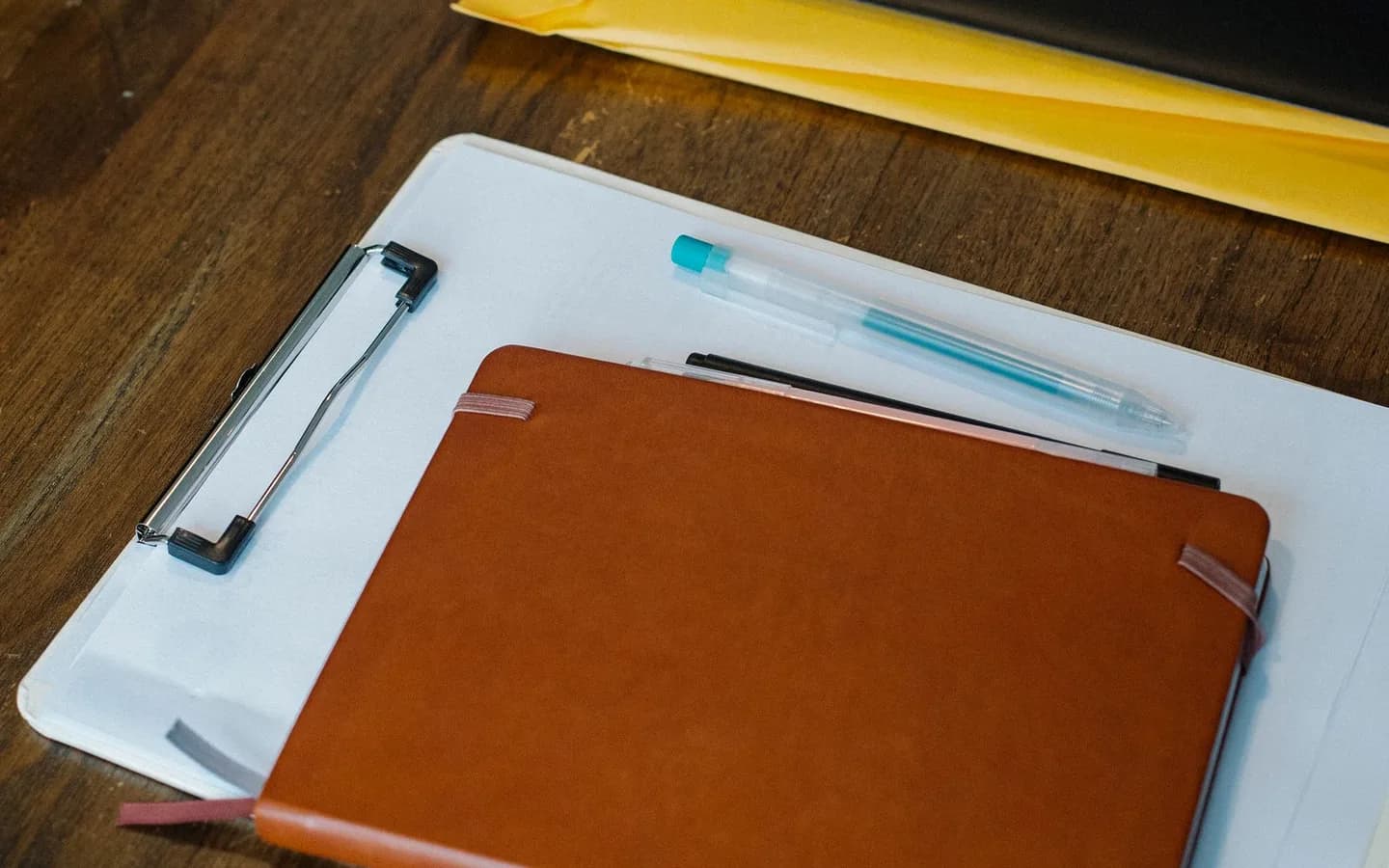
Record a clear initial account of a school incident, separate facts from uncertainty and organise the follow-up.
Read article ↗
Recognise review triggers, test whether controls still fit the activity and explain changes to the people using them.
Read article ↗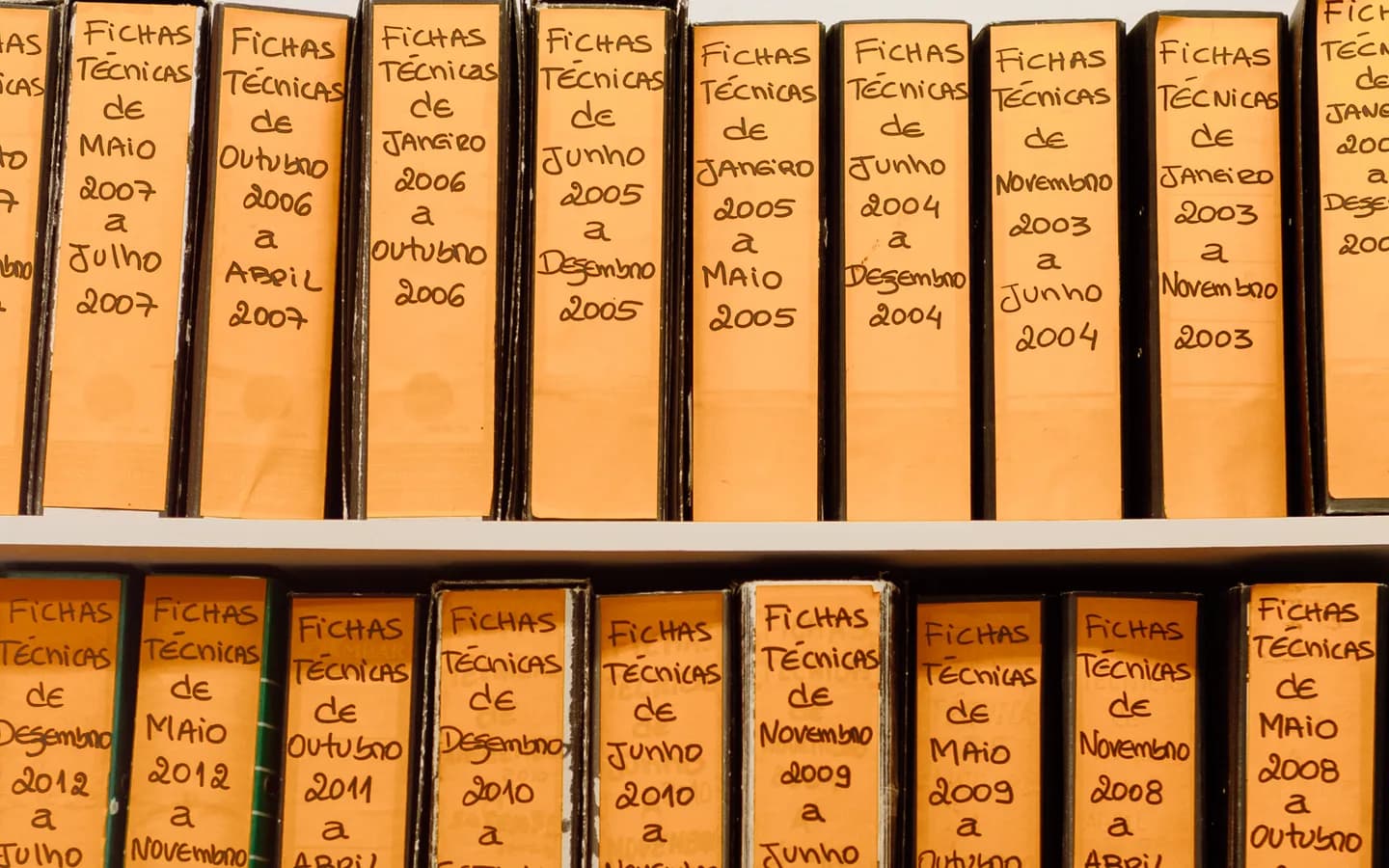
Make school records easier to retrieve with clear scope, ownership, current versions and next steps for important dates.
Read article ↗
Connect estate observations, contractor work and repeat findings without relying on one colleague's memory.
Read article ↗
Review role responsibilities, cover arrangements and information-sharing questions for sensitive school case records.
Read article ↗
Make near-miss reporting understandable, keep initial reports practical and show staff what happened next.
Read article ↗
Identify blockers, clarify the intended outcome and make overdue action reviews lead to decisions.
Read article ↗
Align reporting definitions, explain site differences and turn company safety reports into useful decisions.
Read article ↗
Map evidence to the audit scope, preserve a readable sequence and make missing records visible before the review.
Read article ↗
Use consistent asset identities and clear inspection scope to keep equipment records and follow-up connected.
Read article ↗
Evaluate safety software using realistic tasks, representative users and clear evidence for essential requirements.
Read article ↗Prepare contractor visits with clear scope, reception information, access arrangements and an accountable handback.
Read article ↗Review holiday work, changed room use and remaining decisions before the first day of term.
Read article ↗Give governors a readable safety report with meaningful evidence, clear limitations and specific decisions.
Read article ↗Transfer school safety responsibilities with current actions, tested access and the local context behind recurring work.
Read article ↗Coordinate school event preparation across changed building use, providers, staff briefings and the return to ordinary use.
Read article ↗Investigate repeated playground concerns by connecting location, timing, earlier responses and practical follow-up.
Read article ↗Make school safety action reviews useful by separating assessment, blockers, management decisions and completion evidence.
Read article ↗Compare safety information across schools with shared definitions, local context and practical support decisions.
Read article ↗Keep equipment identities, locations and supporting records connected as items move between school rooms and teams.
Read article ↗Evaluate school safety software with fictional real-world tasks, representative staff and clear evidence for each requirement.
Read article ↗Prepare approved cover arrangements so incoming reports, open tasks and important decisions remain visible during absence.
Read article ↗Connect cleaning shifts and school activities with clear exception notes, useful locations and facilities follow-up.
Read article ↗Review school room moves through changed activities, equipment, access needs and staff instructions before the timetable changes.
Read article ↗Make contractor visits easier to coordinate with current scope, clear contacts and a useful completion handover.
Read article ↗Keep current conditions, unfinished work and incoming responsibilities clear across a shift boundary.
Read article ↗Keep temporary arrangements visible with scope, review triggers and a connected permanent action.
Read article ↗Identify affected work, connect relevant records and plan a review when operational arrangements change.
Read article ↗Connect training objectives, suitable follow-up and workplace feedback without confusing attendance with competence.
Read article ↗Give inspection photographs useful context, accurate captions and a clear relationship to the concern.
Read article ↗Test mobile forms with representative users, incomplete scenarios and the people reviewing the resulting records.
Read article ↗Compare recurring observations, examine earlier actions and choose follow-up that tests the intended outcome.
Read article ↗Write clear management requests, preserve evidence context and return decisions to operational action owners.
Read article ↗Plan record migration around identities, attachments, meanings and retrieval tests that preserve a useful history.
Read article ↗Clarify inspection boundaries, inaccessible areas and reporting definitions before comparing completion figures.
Read article ↗Agree appropriate evidence, distinguish implementation from effectiveness and record an understandable closure decision.
Read article ↗Record exercise scope, gather factual observations and connect debrief decisions to clear follow-up.
Read article ↗Ask focused questions, reach affected workers and explain what happened to the information they contributed.
Read article ↗Tell us about your schools or sites and the work you want to bring together.