
The practical answer
Connect the booking to the work, the school day and the evidence required afterwards.
A contractor booking creates work for more people than the person who made the call. Reception needs to recognise the visit, the site team needs to arrange access and teaching staff may need a different room or route. When those details remain in separate messages, a contractor can arrive at the correct school on the correct day and still be unable to begin. A short preparation record helps everyone work from the same understanding.
This article concerns the administrative handover around a visit. Technical decisions, safeguarding arrangements and the controls for the work belong with the appropriate responsible people. In England, the Department for Education's estate health and safety guidance provides a primary reference for school estate responsibilities. Check the framework applicable to your own school and location before setting procedures.
Start with the job, not the appointment
Describe the reason for the visit in language that connects it to the original concern. Include the school, building, room or asset identifier, the observed issue and the agreed scope. A booking labelled maintenance gives reception little help and leaves the contractor guessing which colleague has the information. A clear reference also connects the resulting report to the correct job later.
Separate a diagnostic visit from an agreed repair. If the supplier is coming to investigate, do not tell staff that the room will definitely return to use afterwards. If the work depends on a part or further authorisation, record that dependency. Expectations become easier to manage when the booking says what is known and what remains undecided.
Ask the responsible colleague which information must be supplied or reviewed before work starts. Track those requirements individually rather than attaching a bundle of files and assuming preparation is complete. Administrative receipt and competent review are different steps. Name the role that can decide whether the information is sufficient.
Coordinate access with the school day
Look at the actual timetable for the area. A room described as free may host a small group, an examination or an after-school club. Confirm the arrangement with the person who manages its use. Record any agreed alternative location and who communicates it to the people affected.
Use the school's approved arrangements for arrival, identification, supervision and movement around the site. The preparation record should point to those arrangements and identify the host. It should not become an improvised visitor policy written by the person making the booking. Make the cover contact clear if the usual host will be unavailable.
Consider deliveries and equipment access as part of the conversation. The contractor may need information about the agreed arrival point or available access period. Refer any proposed change in working arrangements to the responsible person. An administrative convenience should not silently change the approved approach to the work.
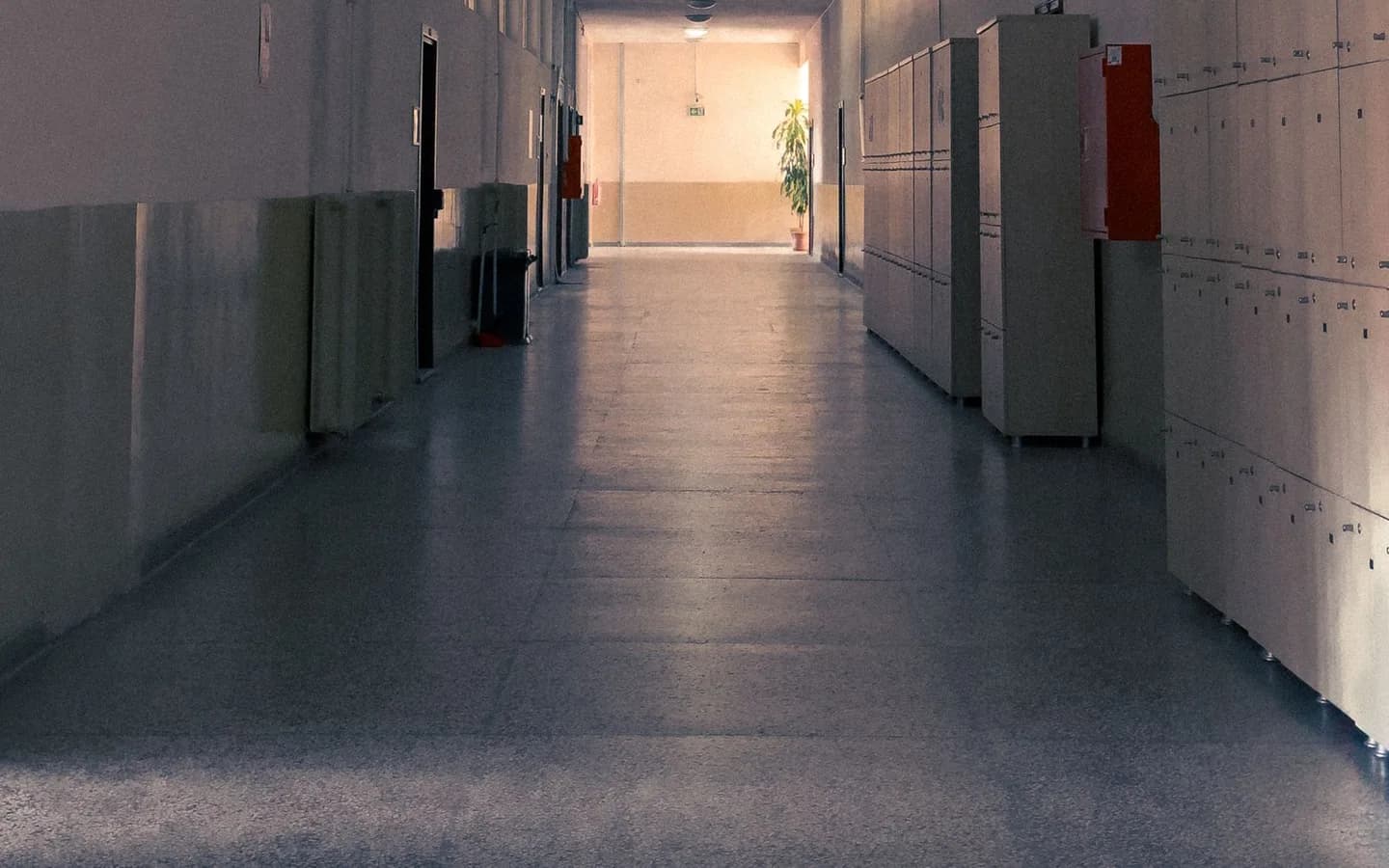
Shared routes need a clear handover when work changes access during the school day. Photo: Burak Ensar BAL / Pexels.
Give reception useful information
Reception usually needs a concise operational brief rather than every technical attachment. Include the expected organisation, appointment window, school contact and the reference needed to locate the booking. Keep sensitive or restricted material in its approved location. Explain whom reception should contact if the visit differs from the agreed arrangement.
Avoid making front desk staff responsible for resolving technical discrepancies. If a different task is proposed, the arrival time changes materially or the expected host is missing, there should be a clear referral route. The booking should identify the decision maker who can consider the change, not merely the colleague who placed the order.
Check how cancellations reach all affected people. An email to the site manager alone may leave a teacher in a borrowed room and reception expecting a visitor who will not arrive. A small distribution list based on responsibilities helps close that gap. Keep the message focused on the operational change and the next planned step.
Record changes while the visit is underway
The contractor may identify work outside the agreed scope. Capture that information and route it through the school's approval arrangements. Do not treat a conversation in a corridor as an undocumented extension of the job. The person who later checks the invoice and report needs to understand what was authorised.
If work cannot be completed, state why and what the current arrangement is. Waiting for a part, awaiting a school decision and requiring another specialist are different situations. Record any advice received with its source, and ask the appropriate competent person to interpret technical implications. Avoid turning a brief administrative note into an unsupported assurance about the area.
Keep responsibility for school communications explicit. Someone needs to tell affected staff whether an alternative room remains in use and where further updates will appear. Otherwise the school can receive a useful contractor update that never reaches the people adjusting their work around it.

A visit record should connect scope changes and outstanding work to the original request. Photo: Sora Shimazaki / Pexels.
Agree what happens after departure
Before closing the job, establish what completion evidence is expected and who reviews it. A signed attendance sheet establishes that someone attended. It does not necessarily establish that every intended task was completed. Compare the report with the original scope and make exclusions or further recommendations visible.
Connect the contractor's asset names to the school's identifiers. If the report calls a building the old annex while the school now calls it Block C, add an understandable cross-reference. This small step prevents an otherwise useful document from disappearing from future searches. Keep the original report intact in accordance with the school's document arrangements.
Finally, confirm who makes any decision about returning the area or equipment to normal use. Communicate that decision through the agreed route and close associated temporary arrangements. Review the booking afterwards if preventable confusion occurred. Better instructions for the next visit are often more valuable than another reminder to staff to read their email.
Try the brief before the next booking
Take one planned visit and ask reception, the site host and the affected department to read the preparation record. Each should be able to identify what they need to do without opening the entire technical file. Where they ask different questions, add the missing instruction to the appropriate part of the brief rather than making everyone read more material.
Use a changed arrival time as a test. Identify who receives the update, who decides whether it can be accommodated and who informs the other teams. Then test a cancelled visit. The two situations need different responses, and both expose whether the booking depends on one person's memory.
Keep the result practical. The useful output may be a named cover contact, a clearer job reference or an agreed cancellation route. Review it with the people who actually handle arrivals. A booking process earns its place when an unfamiliar colleague can use it on a busy morning and know which decisions belong elsewhere.
For the related observation and completion process, read School facilities inspections. Asset Management and Inspections within CerthixED are relevant product areas to discuss using an example from your own estate.
← Back to the blog