
The practical answer
A cleaning handover should explain the current condition and who owns the next step.
A school can have a cleaning schedule and still struggle with the moments between teams. A room is used later than expected, a spill is reported to someone who has finished their shift or furniture is moved after the area has been cleaned. These are coordination problems as well as practical tasks. A useful handover explains what has changed, who responds and how the area returns to its agreed use.
For Great Britain, HSE's slips and trips in education guidance identifies cleaning arrangements as part of managing these risks. The specific methods, products and controls should be determined through the school's applicable procedures and competent advice. This article focuses on communication and records, not technical cleaning instructions.
Describe the actual pattern of room use
Start with the spaces where cleaning and school activities regularly overlap. Include clubs, meetings, practical lessons and community use where relevant. The ordinary timetable may not capture these activities, so ask the people who book and use the rooms to explain the variations.
Identify who informs the cleaning team when use changes. An updated booking in one system may not reach the person preparing the shift. Make the communication route explicit and agree the information needed: room, time, nature of the change and responsible contact. Avoid relying on a colleague noticing a new event in a general calendar.
Keep expectations realistic. If an area is unavailable at the planned time, record how the issue is referred and who agrees the next arrangement. Do not silently mark the scheduled task complete or assume someone else will return later. An honest status helps the school make a workable decision.
Make new concerns easy to route
Staff should know the approved route for reporting a condition requiring attention during the day. Explain who receives the report and what happens when the usual contact is unavailable. Completing a form should not delay the school's immediate response arrangements where an urgent concern exists.
Ask for a precise location and factual description. A report saying corridor needs cleaning may not tell the responding person which section is affected or what was observed. The first account should avoid guessing the cause and provide enough information for the appropriate team to decide the response.
Separate a routine request from a concern requiring another process. A damaged surface, a recurring leak or an equipment issue may need facilities follow-up beyond cleaning. Keep the handover visible so the cleaning team is not repeatedly asked to address the symptom while the underlying issue remains unassigned.
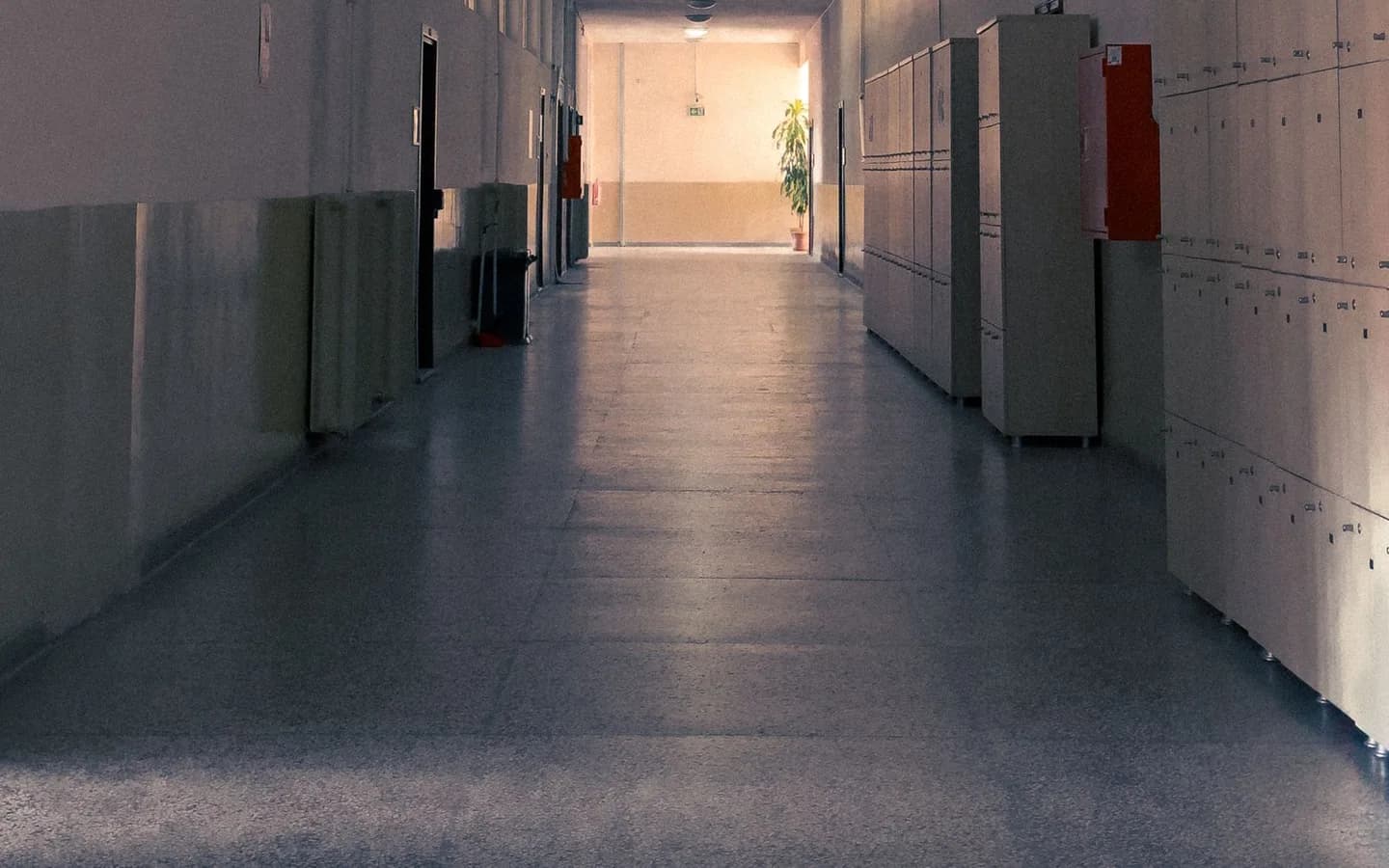
Shared corridors can have different conditions and demands as the school day changes. Photo: Burak Ensar BAL / Pexels.
Agree what the next shift needs to know
A shift handover should focus on exceptions and outstanding work. State which area could not be completed, why, what arrangement currently applies and whom to contact. The receiving colleague needs a practical next step rather than a long description of an otherwise ordinary shift.
Use a shared location and naming convention that both school and contractor staff understand. Room codes can change, especially after building work or departmental moves. Keep the current names and relevant cross-references available. A clear description prevents time being lost before the task even begins.
Keep sensitive information out of the handover. The team may need to know that a room is unavailable without needing personal details about the reason. Use the school's approved information arrangements for anything beyond the operational instruction. An open notebook or broad messaging group should not become a secondary record of private pupil or staff matters.
Connect repeated requests to a review
If the same location repeatedly needs additional attention, collect the relevant observations and timing. Ask whether the pattern relates to room use, storage, deliveries, weather or another change. Treat these as questions for investigation, not conclusions drawn from a few entries.
Bring the relevant roles together. Cleaning staff may understand when the condition appears, while teachers know the activity and the site team knows related maintenance work. A short discussion built around the actual records can reveal a missing handover between those perspectives.
Where the concern needs technical assessment, refer it appropriately. The administrative process can preserve observations and arrange the next step. It should not ask cleaning staff to diagnose a building fault or ask an office colleague to decide which specialist method is suitable. Clear role boundaries make the response more reliable.

Exception notes should distinguish unfinished cleaning from a facilities issue requiring separate action. Photo: Sora Shimazaki / Pexels.
Review completion and return to use
Establish how the relevant team communicates the outcome under the school's process. A request being acknowledged is not the same as the work being completed. If another issue remains, keep that visible and identify its owner. The person who reported the concern should be able to find an appropriate status without repeatedly chasing individuals.
Where temporary arrangements were introduced, identify who reviews and ends them. Staff should not infer that an area is available merely because the responding colleague has left. The appropriate decision and communication depend on the circumstances and the school's procedures.
Use a small sample of handovers to improve the process. Look for vague locations, missing owners and tasks that changed teams without an explicit transfer. Adjust the prompt or communication route where it would help. Avoid adding unnecessary fields to every routine cleaning record because one unusual case needed more detail.
Include changes outside the normal timetable
An evening meeting, weekend activity or holiday project may alter when an area is available and what the next shift finds. Agree how the organiser tells the relevant team about the change and who confirms the resulting arrangement. An event booking should not be treated as a cleaning instruction unless the process explicitly connects them.
After the activity, record any exception that affects the next use of the space. A room left unavailable, an item requiring facilities attention or work that could not be completed needs a named next step. Keep the description factual and within the information appropriate for the handover audience.
Use these unusual periods to test the process. If it depends on one familiar person being present, improve the contact or instruction before the next event. A workable handover should allow an authorised cover colleague to understand the current position without needing to know the informal habits of every team involved.
Try the revised approach in a space with frequent changes of use, then ask both the school and cleaning teams what remains unclear. The useful measure is whether the next person knows what to do and whether unresolved concerns reach the correct process. Inspections and Incident Management within CerthixED can be explored with that handover in mind. Read School facilities inspections for connecting observations to maintenance work.
← Back to the blog