
The practical answer
A useful record index explains what each document covers and who keeps it current.
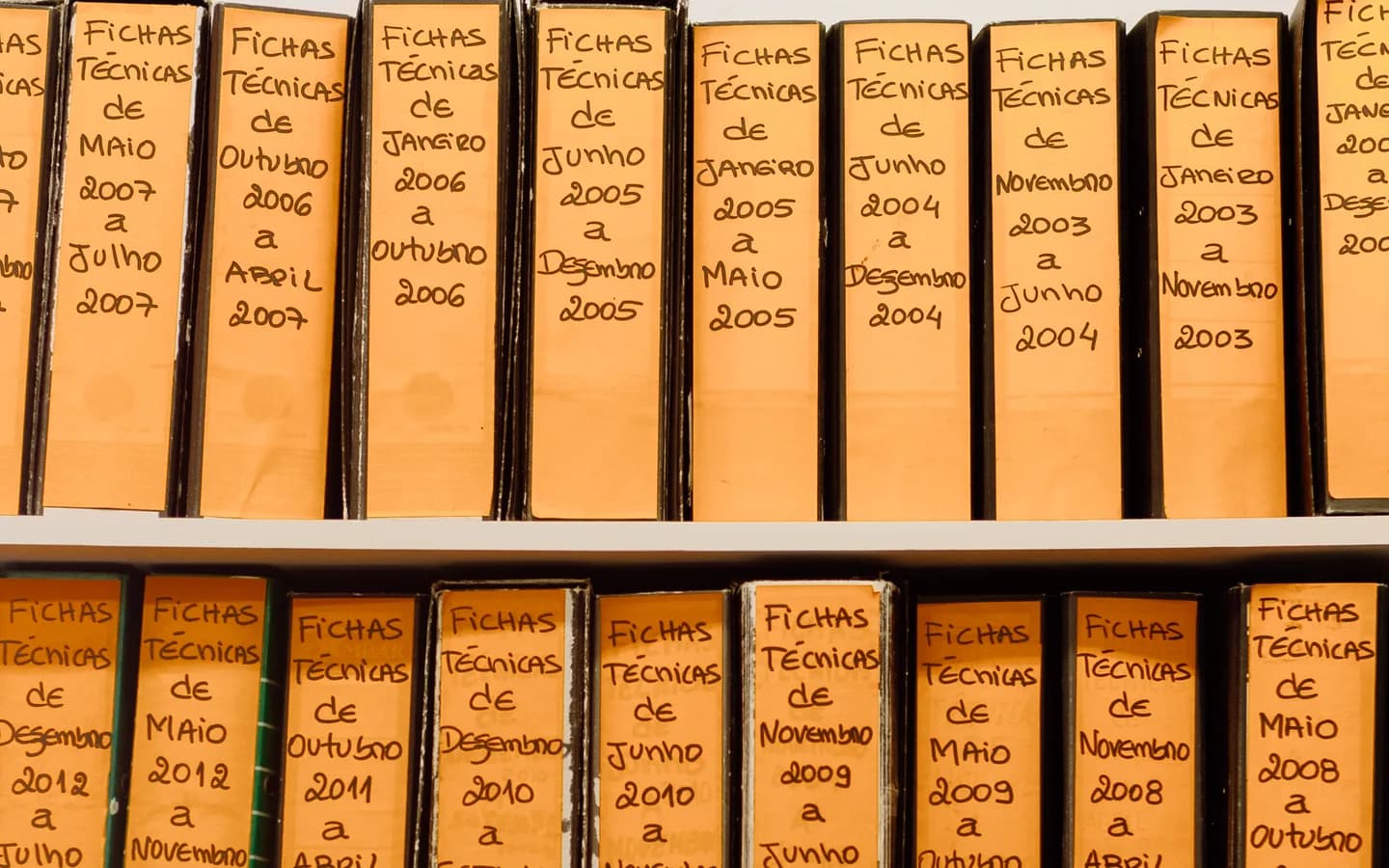
Someone asks for a current record and the search begins. The office has one copy, the facilities folder has another, and the colleague who normally knows which is right is absent. Organising school compliance records starts with making each document understandable and findable. A large shared folder is only part of the answer.
The practical aim is to know what your school needs to hold, where the current evidence lives, who looks after it and which dates require attention. The actual requirements depend on your location, activities and responsibilities, so establish those with the appropriate advisers before building the record list.
Create an index that answers real questions
Start with a manageable set of records that colleagues regularly struggle to locate. For each one, identify its purpose. “Annual documents” is a folder label; “evidence for this equipment inspection” explains why someone might need the file.
A useful index can include the record name, school or building, responsible role, current document location and relevant date. Distinguish the date a document was issued from its review date or expiry date. They are not interchangeable, and some records may not have all three.
Where a record applies to only part of the school estate, say so. A certificate for one installation should not be mistaken for coverage of a different building. Record identifiers and scope in language that a colleague outside the facilities team can understand.
Agree what “current” means
A file named “final” can still be out of date. Agree how the current version will be identified and where superseded versions belong. Avoid having several apparently authoritative copies in different folders unless there is a clear operational reason and a way to keep them aligned.
When a supplier sends a replacement document, review its scope before replacing the previous entry. Check that it relates to the expected school, service or equipment and that any qualifications or outstanding matters are visible. Receiving a document and reviewing what it says are separate tasks.
Keep ownership attached to a role where possible, with a named person responsible at the moment. That makes a staff change easier to manage. A handover should explain the process for maintaining the record, not merely provide a folder password.
Give dates a next step
A date on a spreadsheet will not arrange the work. For each approaching review or renewal, identify what needs to happen beforehand and who will start it. Some tasks require a visit, an internal decision or information from another team.
Use a regular review of upcoming dates to surface those dependencies. If an appointment is still unconfirmed, record that status accurately. Avoid making the record look complete just because an email requesting a booking has been sent.
For missing evidence, write down what is missing, who is obtaining it and how the school is addressing any associated concern through its own procedures. An honest gap is more useful to management than an empty cell that nobody knows how to interpret.
Keep personal information out of broad registers
An estate document index and a sensitive pupil record have different access needs. Do not combine them simply because both are described as compliance information. Record only the information necessary for the purpose and use the school's approved access and retention arrangements.
For England's schools, the Department for Education provides record keeping and management guidance, including the use of retention schedules. It does not support keeping every document indefinitely. Check the rules and approved retention approach for your own jurisdiction and record type.
Run a small retrieval exercise
Ask a colleague who does not maintain the register to find three records. Can they identify the current version, understand its scope and tell whom to contact about a gap? Watch where they hesitate. Those hesitations are useful clues about naming, ownership or missing context.
Repeat the exercise after a staff handover or a significant folder reorganisation. A system that depends on one person's memory has not yet solved the retrieval problem.
Compliance Management and Audits are part of CerthixED. For the physical checks behind many estate records, read School facilities inspections: make the handover work. The goal is a record collection that supports ordinary school work as well as formal reviews.
← Back to the blog