
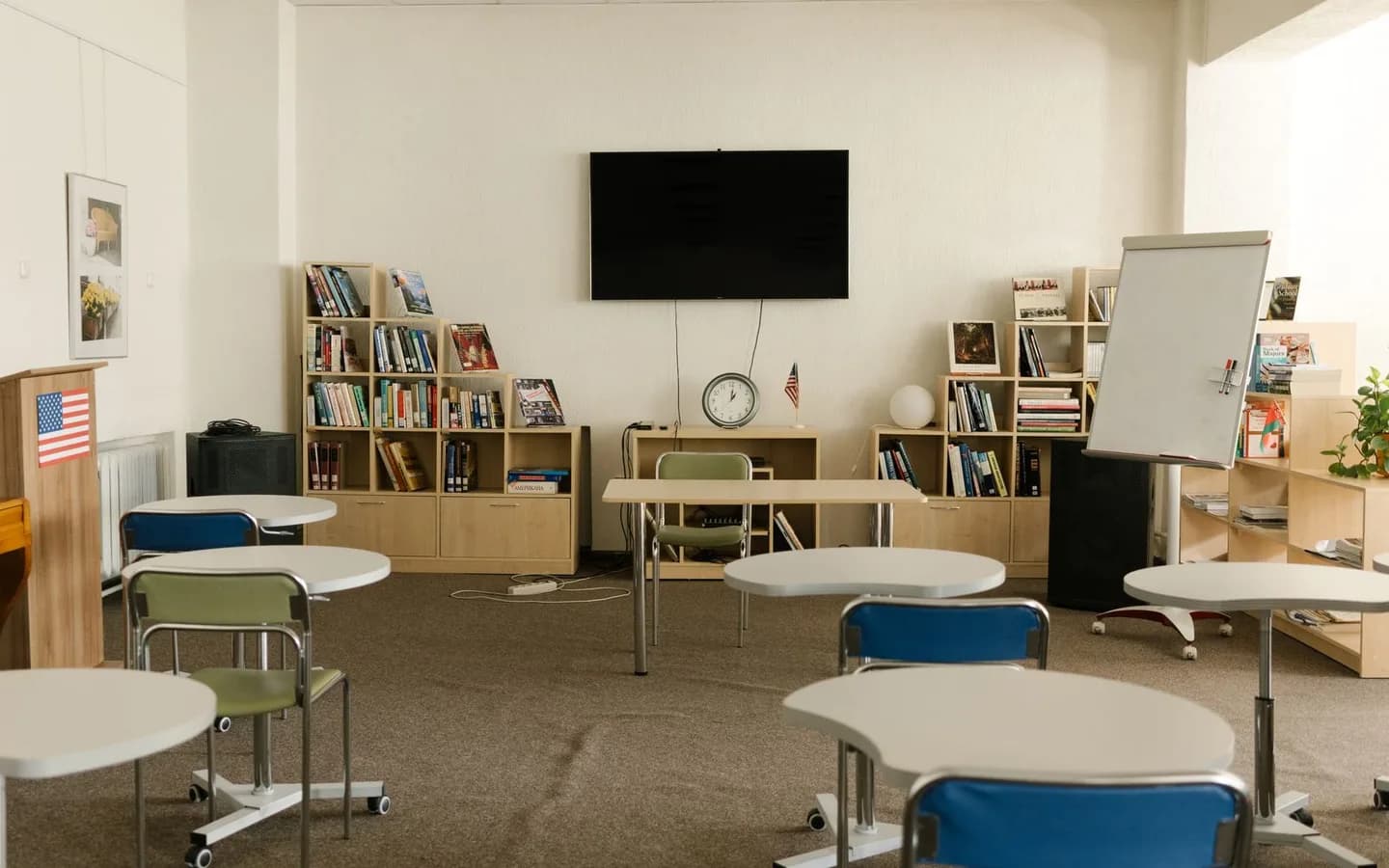
The practical answer
A checklist is useful when each finding gives the next person enough context to act.
A classroom check is finished, every box has an answer, and the loose cupboard handle is still waiting for repair three weeks later. The problem is rarely the absence of a checklist. It is the gap between noticing something and making sure the right person deals with it. A useful school safety checklist makes that handover clear without turning an ordinary walk around the building into an administrative project.
Start with the place and the people
Build the check around a real area: a classroom, reception, playground or shared corridor. Record which area was checked, when it was checked and who completed it. A generic entry such as “main building” leaves the facilities team searching for the problem before they can begin.
Think about how the space is used during the school day. A corridor that looks clear before arrival may become crowded when bags and activity equipment appear. A room used by older pupils in the morning may host younger children later. Ask the people who work there what changes and what they keep having to work around.
The UK Health and Safety Executive offers a classroom checklist for ordinary classroom risks. It is a useful reference for that setting, rather than a replacement for specialist assessments or the wider responsibilities of school management. Schools elsewhere should use their applicable local guidance.
Make the questions easy to answer honestly
“Is the room safe?” is too broad to produce a useful record. Ask about something a person can actually observe, such as whether a commonly used route is obstructed. Where the answer needs a specialist judgment, identify the appropriate person instead of expecting every member of staff to make it.
Allow a response that means the item could not be checked, with an explanation. An inaccessible store should not acquire a reassuring tick simply because the key holder was absent. Likewise, “not applicable” should describe a genuine mismatch with the space, not become a convenient way to finish the form.
Keep the checklist short enough for the intended task. Put specialist equipment checks in the relevant process rather than adding every conceivable question to every classroom form. Staff should understand which checks they are being asked to perform and which concerns they should refer onward.
Give each finding enough context
For a problem that needs follow-up, a short factual description is usually more useful than a long paragraph. Capture:
- The exact location and item involved.
- What was observed, without guessing at the cause.
- Who or what could be affected in that setting.
- Any immediate response taken under the school's procedures.
- The person responsible for deciding or arranging the next step.
A photograph may help explain a physical defect, provided it is appropriate to take and does not unnecessarily include pupils or personal information. “Shelf bracket loose beside the reading corner” gives a repair team a clearer starting point than “furniture problem”.
If the observation suggests an immediate danger, follow the school's response arrangements straight away. Completing a record is not the first priority in an urgent situation.
Review exceptions, then check the result
At the end of the check, look at the findings that need attention. Agree what needs to happen, who owns it and when it should be reviewed. A due date should reflect the circumstances and the school's competent assessment, not a default deadline applied to every issue.
When someone reports that the work is complete, ask what shows the original concern has been addressed. That may be a follow-up observation or a relevant repair record. Keep the explanation connected to the finding so another colleague can understand the outcome without searching through messages.
Recurring issues deserve a different conversation. If the same doorway is repeatedly obstructed, clearing it again may be necessary but may not explain why it keeps happening. Storage arrangements or delivery routines could need attention.
Try one area before changing the whole school
Use the revised approach in one familiar area. Ask the staff member completing the check and the colleague receiving the findings whether anything was unclear. Adjust the wording before expanding it across the school.
CerthixED brings school safety work together, including Inspections and Risk & Control Management. For the handover after a finding, read From inspection finding to verified correction. A checklist earns its place when the next person can understand what needs attention and follow it through.
← Back to the blog