
The practical answer
A room move changes more than a timetable entry, so review the dependencies before use.
A room move looks simple on a timetable: one activity changes location and another takes its place. In practice, equipment, storage, access, staff instructions and supporting records may all depend on the old arrangement. A useful review starts before the move is treated as final. It brings those dependencies to the responsible people while there is still time to resolve them.
This article concerns the organisation of a change review. The school should use its applicable requirements and competent advice to determine whether a proposed use and any adjustments are appropriate. In England, the Department for Education's estate health and safety guidance covers changing use and accessibility considerations. It is a jurisdiction-specific reference, not an approval for an individual room move.
Define the proposed change precisely
Record the current and proposed locations, the activity, the intended users and the planned start date. Include whether the arrangement is temporary or continuing. A move described only by department name may not identify the actual room or the activities that will take place there.
List what is changing beyond the address. The group size, age range, equipment, storage and timing may differ. Staff may be unfamiliar with the new space. These facts help the responsible reviewer understand the proposal. Do not assume that a room used successfully for one purpose is automatically suitable for another.
Keep the proposal distinguishable from approval. A provisional booking helps planning, but it should not become a signal that every question has been resolved. Make the decision stage clear to the people arranging furniture, communicating timetables and ordering equipment. Otherwise implementation can race ahead of review.
Ask the people who use the activity
The teacher or activity lead can explain how the session actually works, including movement between tasks and the equipment needed at each stage. The site team can explain the room and related work. Other responsible staff may identify individual access or support requirements through the school's approved arrangements.
Discuss operational needs without unnecessarily circulating personal information. The room review may need a practical requirement while the underlying sensitive details remain in an appropriate restricted record. Agree what the participants need to know with the relevant school leads rather than copying complete personal accounts into a general move plan.
Ask about the activities before and after the session. A room used by different groups in succession may require a storage or reset arrangement. The timetable can look workable while the transition has no owner. Identify who prepares the room and how the next user knows it is ready under the agreed process.
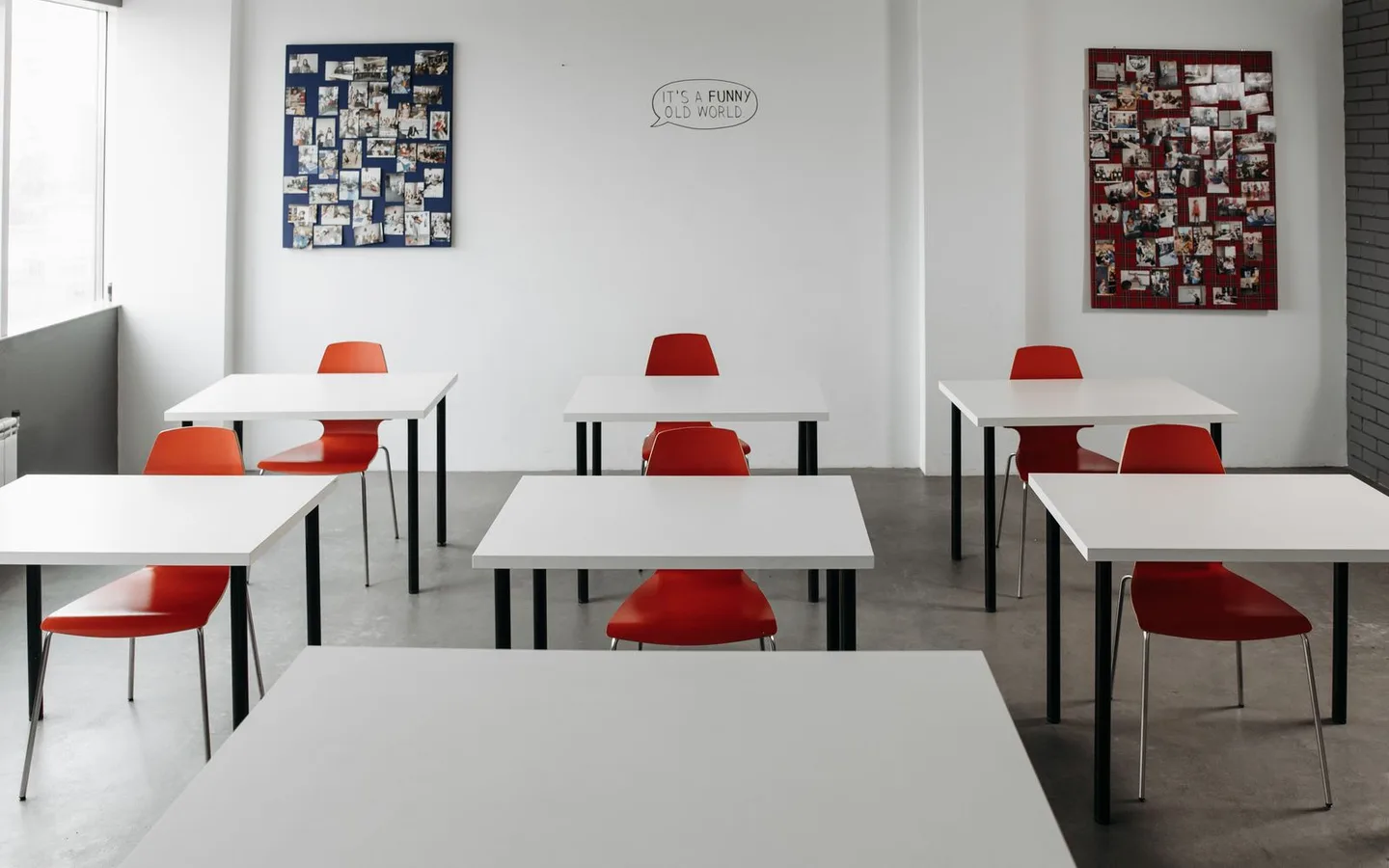
A room review needs the proposed activity and users, not only the furniture layout. Photo: Pavel Danilyuk / Pexels.
Connect the review to existing records
Find the assessments, inspection findings and equipment records relevant to the proposed change. Ask the responsible people which need review or updating. A room move can affect several records, but not every document needs a complete rewrite. Focus on the assumptions and instructions that have actually changed.
Record the resulting tasks with owners. Updating a room label, arranging a competent assessment and briefing staff are different pieces of work. Keep their dependencies visible so an administrative update does not make the whole change appear complete. The current proposal should show which decisions remain outstanding.
Preserve the connection to previous locations where records need it. Equipment histories and open maintenance work can become hard to find after renumbering. Add clear cross-references rather than leaving the next colleague to infer that an old room name refers to the new arrangement.
Plan the move itself and the first use
Agree who coordinates the physical move and the information handover. Staff need to know where equipment is going, what remains in the old room and how issues discovered during the move are reported. Use the school's appropriate procedures for the work rather than assuming every member of staff can undertake every task.
Arrange a review of the agreed setup before the intended activity begins. The appropriate person should consider whether the arrangement matches the reviewed proposal and whether any relevant question remains unresolved. Keep this decision distinct from the fact that furniture has been delivered or boxes unpacked.
Brief the staff who will use the room, including cover colleagues where relevant. Explain the changed instructions in practical terms and show where current information is held. A revised timetable alone does not communicate storage arrangements, approved alternatives or the route for reporting an unexpected concern.

Room moves cross several responsibilities, so the final review should show the remaining decisions clearly. Photo: Kampus Production / Pexels.
Follow up after the activity starts
Ask staff whether the actual use matches the assumptions discussed. They may identify a confusing handover, missing equipment or a timing problem between groups. Route any immediate concern through the school's response arrangements, then record the relevant feedback for the change review.
Keep technical questions with the appropriate competent people. Staff feedback can explain what happens in the room, but it does not replace specialist judgment where that is needed. State the question clearly and identify who will obtain the answer. Avoid closing the review merely because the room has now been used several times.
For a temporary move, set a review point and a clear process for returning or extending the arrangement. Temporary instructions can otherwise remain in circulation long after their purpose has ended. Confirm which records and communications must change when the arrangement ends, including the timetable and any alternative room booking.
Capture the useful learning in the school's change process. If storage was repeatedly overlooked, add a focused prompt. If a decision owner was unclear, fix the allocation. The goal is a repeatable review that helps staff anticipate the real consequences of a move without turning every timetable adjustment into unnecessary paperwork.
Keep an abandoned proposal from causing confusion
Some room moves are revised or cancelled during planning. Mark the proposal's status clearly and tell the people who were preparing to act on it. A cancelled booking can still lead to furniture being moved or old instructions being circulated if the cancellation remains only in the organiser's notes.
Review the dependent tasks. An equipment order, contractor visit or staff briefing may no longer be needed, or it may need a different scope. Assign responsibility for updating each arrangement through the school's normal process. Do not assume that changing the timetable automatically changes external bookings and internal task lists.
Preserve enough context to explain the decision under the school's record arrangements. A later colleague may otherwise revive the old proposal without knowing why it changed. The note can state the scope considered, the decision made and the relevant reference, without reproducing sensitive information or a lengthy history of every preliminary discussion.
Read School risk assessment reviews and School equipment movement records for the connected work. Risk & Control Management within CerthixED is relevant to demonstrating how a proposed change, review and resulting actions remain connected.
← Back to the blog