
The practical answer
Reopening depends on the actual changes and their handovers, not a copied checklist.
The first day of term starts before pupils arrive. Rooms may have been redecorated, furniture moved, contractors on site and equipment stored in unfamiliar places. An old opening checklist can overlook these changes because it assumes the building is returning to the same pattern of use. A reopening review should begin with what happened during the closure and what is different about the coming term.
The practical challenge is to combine several sources of information without pretending that an ordinary walkthrough replaces specialist work. For schools in England, the Department for Education's estate health and safety guidance is a reference for responsibilities and estate records. Local requirements and competent advice should determine the actual checks and decisions for your school.
Build a list of changes first
Ask the site team, office and department leads for a concise list of work and changes during the break. Include room moves, altered access arrangements, equipment replacements and visits that did not finish as planned. It is helpful to distinguish work completed from work believed to be complete but still awaiting a report or review.
Give each change a location and a responsible contact. A note saying refurbishment completed does not identify which rooms are included or whether the school has received the relevant handover information. Connect the change to its existing job record rather than copying a disconnected summary into a new spreadsheet.
Check the coming timetable as well as the previous one. A room may now serve a different age group or activity. A storage area may have become a teaching space. Bring those changes to the people responsible for assessing the proposed use. The reopening record should make the question visible instead of assuming the old arrangement remains suitable.
Separate three kinds of readiness
A useful review distinguishes physical readiness, information readiness and staff readiness. Physical readiness concerns the agreed condition and availability of spaces and equipment. Information readiness concerns the records and decisions needed to understand that condition. Staff readiness concerns whether people know the arrangements they will actually use.
These categories prevent one type of progress from hiding another gap. A room may look finished while a handover remains outstanding. A revised route may be agreed but not yet communicated. A report may have arrived without anyone checking whether it covers the intended work. Record the actual next step rather than giving all three situations the same incomplete label.
Assign an owner to each remaining question. The person who notices a gap may not be the person authorised to resolve it. Give the owner a clear route to obtain a decision, and keep that decision connected to the relevant room or activity. A general email asking everyone to check their areas is unlikely to manage these dependencies by itself.
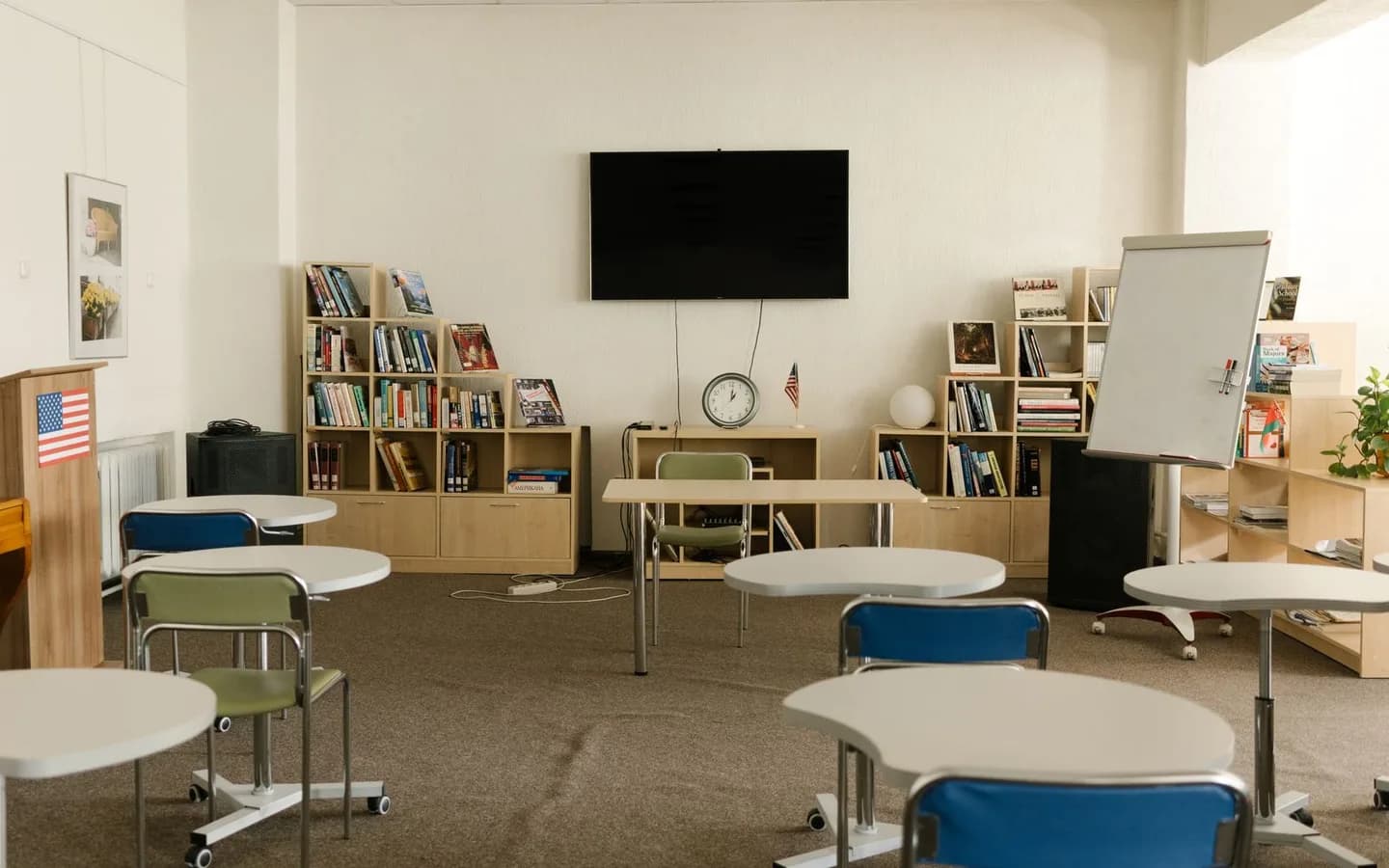
A reopening review should consider changed room use as well as visible condition. Photo: Mikhail Nilov / Pexels.
Check the handovers from holiday work
Review the list of contractors who attended and the jobs they were expected to complete. Establish which reports have arrived, who reviewed them and whether they identify further work. Do not treat an invoice or appointment entry as evidence that a technical question has been resolved.
Where a supplier uses different room or asset names, connect them to the school's identifiers before the report is filed. This is particularly useful after rooms have been renumbered. Preserve the report and add the cross-reference so a future reviewer can understand the relationship without depending on the colleague who managed the project.
Pay attention to work left in a temporary state. Record the arrangement, its owner and the point at which it will be reviewed. Staff returning from leave should not have to infer which signs, barriers or alternative rooms remain relevant. Refer questions about the suitability of temporary arrangements to the appropriate responsible person.
Make the first-day brief operational
Give staff the changes that affect their work in plain language. Explain which areas are available, which approved alternatives apply, where current instructions are held and whom to contact about an unexpected issue. A long project update is less useful at this point than a short explanation of what staff should expect on arrival.
Include colleagues whose working day starts early or finishes late. Breakfast provision, cleaners and clubs may encounter the building before the main staff briefing. Use communication arrangements that reach those roles in time. Record who owns that communication rather than assuming a message to teaching staff covers everyone.
If a change affects families or visitors, agree who issues the relevant instruction and how later changes will be corrected. Avoid giving a definite reopening time before the responsible person has made the required decision. A realistic update with a clear next communication point is easier to manage than a promise that must be withdrawn.

Bring facilities, administration and teaching information together before the opening decision. Photo: Kampus Production / Pexels.
Keep unresolved matters visible
The final review should focus on questions requiring attention, not read every completed check aloud. Show what is outstanding, why it matters to the proposed use and who can make the next decision. Where specialist input is needed, make the dependency explicit. Moving a due date does not resolve the underlying issue.
Record the scope of any decision. Approval for one building does not automatically cover another area still under review. Keep conditions understandable and assign responsibility for confirming them. A coloured summary can help scanning, but it cannot carry the full meaning of an opening decision by itself.
After the first period of use, invite staff to report differences between the brief and the actual arrangements. This may reveal a confusing sign, a room booking conflict or information that did not reach a cover colleague. Use the feedback to correct the current situation and improve the next holiday handover. Avoid turning the exercise into a search for someone to blame for an ordinary coordination gap.
Keep the opening record usable next term
After reopening, distinguish the final position from the preparation history. Keep the current arrangements easy to find while preserving earlier records under the school's approved approach. Staff should not have to read through superseded alternatives to discover which room or route is now in use.
Identify tasks that continue beyond opening. A longer estate project, a further report review or an agreed observation after first use may still need attention. Transfer these into the normal action process with their owners and context. Do not leave them in a holiday checklist that nobody expects to reopen until the next break.
Before the next closure, use the previous review to identify the few questions worth asking earlier. Perhaps supplier reports arrived too late, room changes were not shared or the opening brief missed an early shift. Address those specific points in the next plan. This creates a more useful cycle than copying every old check and adding another page each year.
Start with School facilities inspections for findings and handbacks, and School compliance records for the supporting documents. Discuss Inspections within CerthixED using the real sequence your team follows before reopening.
← Back to the blog