
The practical answer
A useful oversight report states what needs a decision and follows the outcome through.
A governing body can receive a lengthy safety report and still be unable to tell what needs its attention. Pages of completed activity may hide a decision about funding, a recurring problem or uncertainty about who owns a task. The useful report explains the position, the evidence behind it and the decisions expected from the meeting. It respects the boundary between oversight and the operational work of school staff.
The reporting responsibilities will depend on the school's governance structure and jurisdiction. In England, the Department for Education's school health and safety responsibilities guidance provides a primary starting point. Establish the applicable responsibilities before designing a report. The suggestions here concern how to make an agreed reporting process easier to use.
Begin with the meeting's purpose
Ask what members need to decide or understand at this meeting. They may need to consider resources, examine the response to a repeated issue or receive evidence that an agreed action has been followed through. These are different purposes and need different levels of detail. A list of every inspection completed rarely answers them on its own.
Set out the period covered, the schools or buildings included and any material exclusions. If one site's information arrived late, say so. A complete-looking table can mislead if it combines current information from one area with an older position from another. The report date and the data cut-off date should be distinguishable.
Use a short opening paragraph to explain the main changes since the previous report. Name improvements as well as unresolved concerns, but avoid turning a lower incident count into an unsupported claim that the school is safer. Reporting behaviour and activity levels can affect counts. Explain what the evidence supports and what it cannot establish.
Separate information from decisions
Label requests clearly. A decision item should state the issue, the options within the meeting's remit, the recommendation and the consequence of delay. If technical judgment is required, identify the competent advice on which the recommendation rests. Governors should not be expected to infer a technical solution from a brief defect description.
An information item should explain why it matters to oversight. For example, a completed action may demonstrate that an earlier concern has been addressed and independently checked under the school's process. Connect it to the previous decision so members can follow the sequence without searching old minutes.
Avoid asking the meeting to approve a vague plan. A request to improve records could mean new software, temporary administrative help or a change to supplier reporting. Explain the actual proposal and its intended result. A decision is easier to implement when the record makes clear what has been authorised and who now owns the next step.

A useful agenda distinguishes questions for decision from updates for oversight. Photo: Kampus Production / Pexels.
Use measures with an explanation
Choose a small set of measures tied to the work the school needs to manage. Open actions awaiting an owner, repeated findings and upcoming tasks with unresolved dependencies can prompt useful questions. Explain the definitions so a change in classification does not appear to be a change in performance.
Provide context for overdue work. One item waiting for a substantial project decision is different from several routine tasks that have simply lost an owner. Show the blocker and the next proposed step. An average age alone can conceal that difference and encourage unhelpful pressure to close records prematurely.
Keep comparisons proportionate. If the school has started recording more concerns, the increase may reflect better participation, more activity or changing conditions. Ask what additional evidence would clarify the picture. Use trend information to direct inquiry rather than assign blame based on a single chart.
Protect sensitive information in the pack
The governing body's information needs do not automatically require identifiable pupil or staff details. Agree the appropriate contents and access with the school's responsible leads. Summaries can often explain process, actions and outstanding decisions without circulating an underlying personal account.
Where a matter needs restricted handling, use the approved governance and information procedures. Do not paste a sensitive case narrative into the ordinary safety report because it is the easiest place to mention the topic. Reference the relevant process in an appropriate way and keep the audiences distinct.
Review attachments as carefully as the report text. A spreadsheet tab or embedded screenshot can expose information omitted from the summary. Check that linked files open for the intended audience and that they do not grant wider access than required. An inaccessible link also makes oversight difficult, so test the pack through the approved access route before circulation.
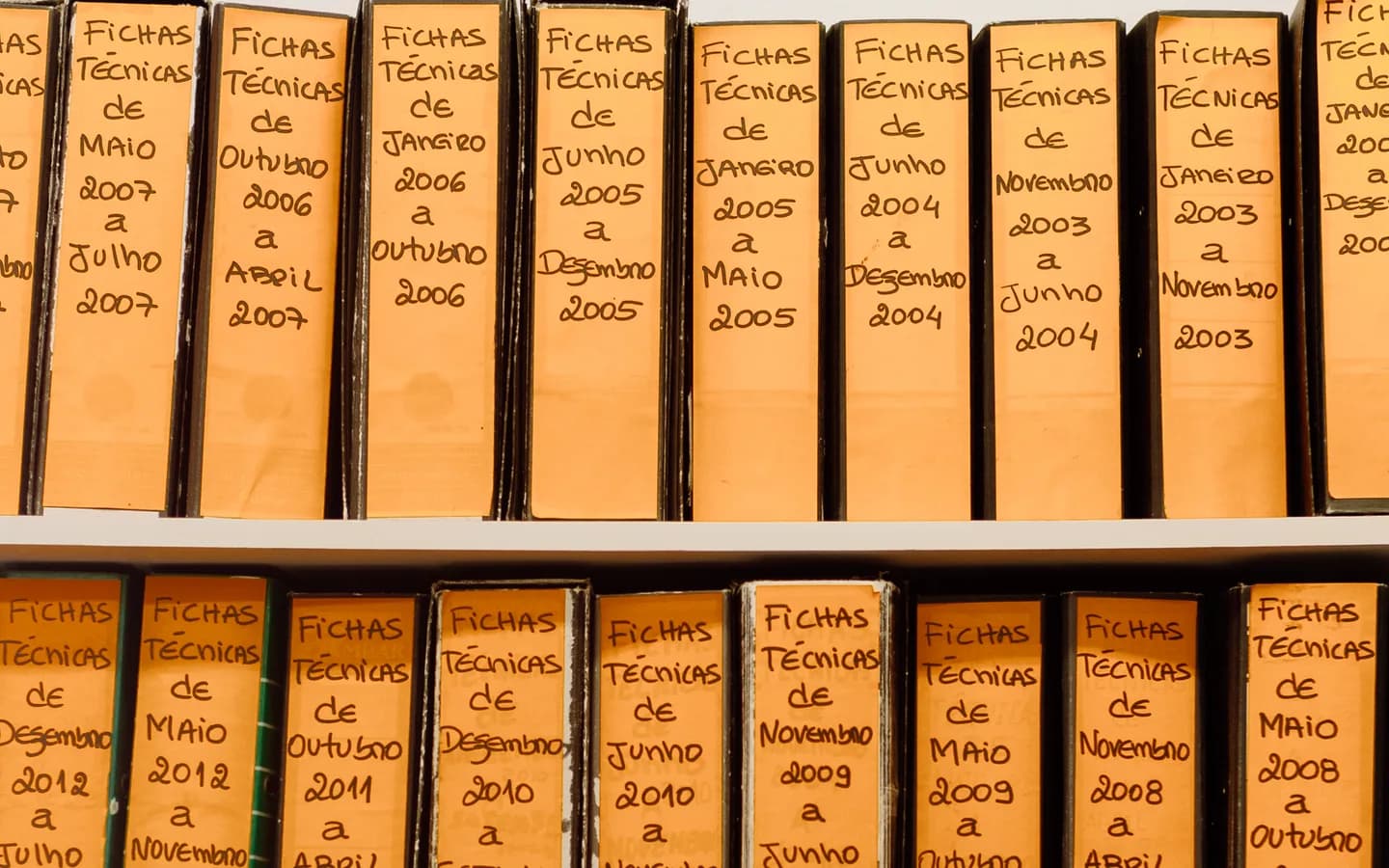
Supporting evidence should be retrievable and matched to the report's scope. Photo: João Jesus / Pexels.
Close the loop after the meeting
Translate each decision into a task with a responsible owner and a clear outcome. Record any conditions and the date or event that will bring the matter back for review. Meeting minutes and operational actions should agree; otherwise the school may work towards something different from what members understood they approved.
For a deferred decision, explain what additional information is needed and who will obtain it. A note saying return next term does not identify the work between meetings. If the situation changes before then, follow the school's escalation arrangements rather than treating the meeting cycle as the only opportunity for attention.
At the next report, show the outcome against the original question. Explain whether the decision was implemented, what evidence was reviewed and what remains open. This creates continuity without reproducing the whole previous paper. Members can then spend their time on the unresolved issue instead of reconstructing its history.
Make a deferred item easy to revisit
A deferred item should retain the question the meeting was trying to answer. State which evidence was missing and what a future paper will need to explain. This avoids a later report containing more information without resolving the original uncertainty. Give the task to a role that can obtain the evidence or commission the appropriate advice.
For example, if a proposal needs a clearer scope, ask for the buildings or activities covered and the alternatives considered. If the issue is affordability, ask for the relevant cost assumptions through the school's financial process. These are different requests and should not both become a vague instruction to provide more detail.
Keep the next report proportionate. A short reference to the previous decision, the new evidence and the current recommendation may be sufficient. The record should allow a member who missed the earlier meeting to understand what is now being asked without receiving every operational attachment accumulated along the way.
Try the revised format on one agenda item and ask members which question they still could not answer. Use that feedback to improve the next report. Reporting and Audits within CerthixED are useful areas to explore with a real governance question. For the underlying evidence, read School compliance records.
← Back to the blog