
The practical answer
A recurring finding needs a review of why the condition returns and what would show improvement.
A playground concern appears in several checks. The immediate issue is addressed each time, yet the next record describes much the same condition. It is tempting to see this as a failure to finish a maintenance task. Sometimes the more useful question is why the condition returns. Repeated findings can point towards storage, timing, equipment use or an unresolved decision that a routine repair cannot address by itself.
Respond to any current concern through the school's established arrangements before analysing the pattern. This article describes how to organise that follow-up. For Great Britain, HSE's slips and trips in education guidance identifies management and cleaning arrangements as relevant considerations. The assessment and response for your playground should follow local requirements and appropriate competent advice.
Establish whether the findings concern the same thing
Start with location and item identities. Three entries labelled playground may concern three unrelated areas. Conversely, different descriptions may refer to the same gate or surface. Map the records to a recognisable location before counting a repeat. Preserve the original wording while adding the useful cross-reference.
Read what was observed each time. A loose fitting, an obstruction and difficulty operating a gate are not interchangeable simply because they share a location. Distinguish the symptom from an assumed cause. The record should show what staff actually saw and what later investigation established.
Check the timing. The condition may occur after deliveries, particular activities or changes in weather. Record the relevant context without claiming it proves causation. A pattern can suggest where to look next; it is not a substitute for examining the circumstances. Ask staff who use the area what they notice at those times.
Reconstruct the previous response
For each relevant finding, identify the immediate response, the longer action and the evidence used to close it. Was the item repaired, removed from use, cleaned or simply referred onward? A closed record may mean different things if the school has not defined its statuses clearly.
Look for gaps between the action and the original concern. A contractor may have repaired one component while the report referred to a broader difficulty. A temporary arrangement may have addressed the immediate situation without resolving the underlying issue. These distinctions help the review avoid blaming staff for a task that never covered the whole problem.
Ask whether the outcome was checked during the relevant use. A quiet inspection may not reveal a difficulty that appears during a busy transition. The responsible person should decide how to obtain appropriate evidence without creating additional risk or disrupting pupils unnecessarily. The administrative record should explain the question and who will answer it.
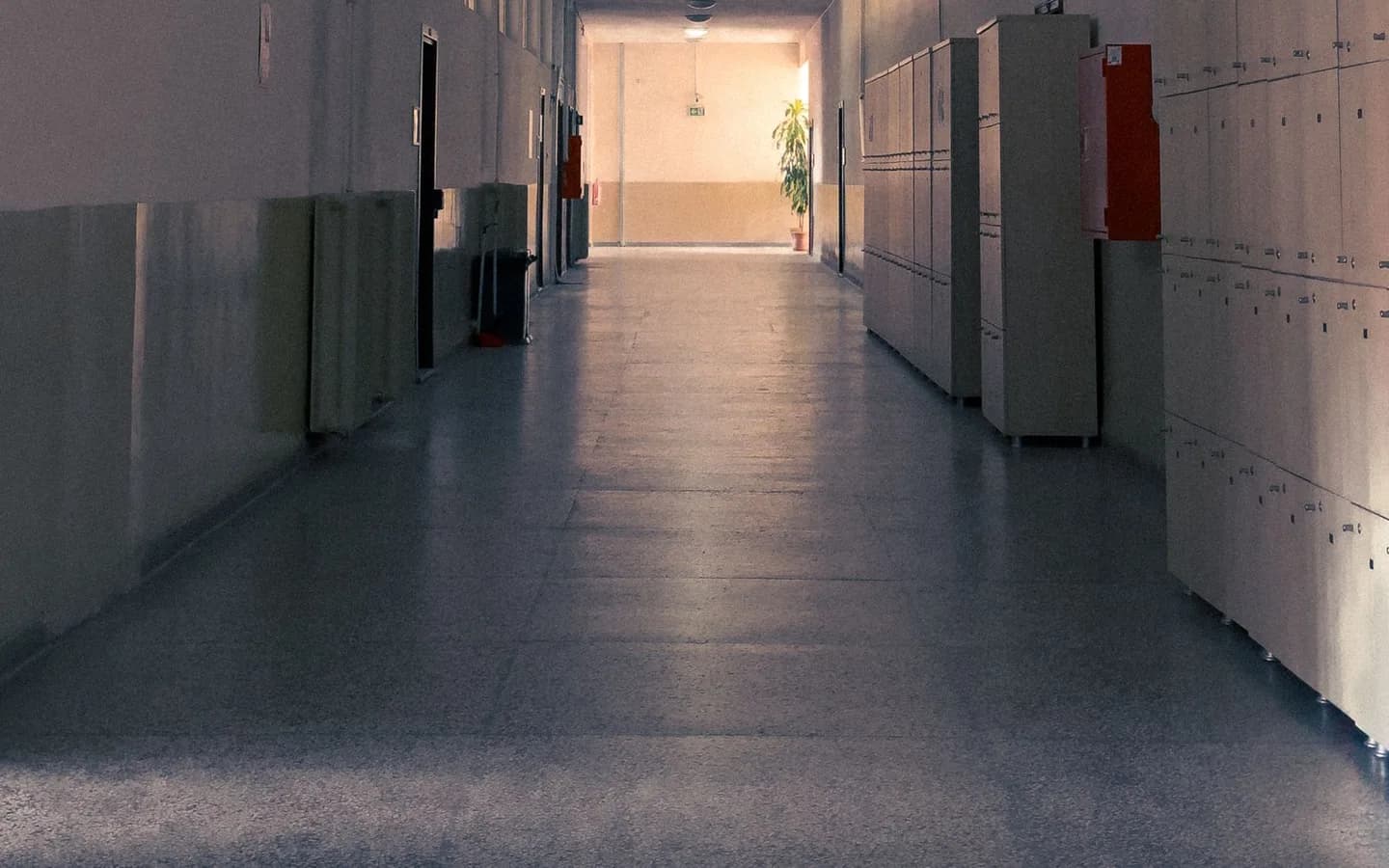
The routes to outdoor areas form part of the practical context of playground use. Photo: Burak Ensar BAL / Pexels.
Discuss the work around the finding
Bring together the people whose routines intersect with the location. This may include the site team, cleaning staff, teachers and activity organisers. Ask each person to describe what happens, rather than beginning with a proposed explanation. A shared picture often reveals a dependency that no single team can see.
For example, equipment may be placed in a temporary location because its usual store is inaccessible during an activity. The practical question is then about the agreed storage and access arrangement, not only reminding staff to move equipment. Treat this as a fictional example of the kind of dependency to investigate, not a diagnosis of your own situation.
Where the question is technical, obtain appropriate advice. Staff observations can help define the problem, but a meeting does not confer expertise to judge a surface, structure or item of equipment. Record the specialist question clearly and preserve the answer with its scope and source.
Choose an action that addresses the identified cause
Once the review establishes enough information, describe the intended outcome. Replacing an item, changing storage and adjusting a working routine are different actions with different owners and evidence. The action should connect to the finding that prompted it, so a later reviewer can understand why this response was chosen.
Keep any ongoing temporary arrangement visible while the longer action progresses. State who reviews it and how staff learn about changes. Avoid allowing the longer project to obscure the current operational position. A task awaiting funding still needs a clear record of what is happening in the meantime under the school's arrangements.
Set a meaningful review point with the responsible person. The objective is to see whether the agreed action has addressed the recurring condition. Do not choose an arbitrary closure date merely because it makes the action list look tidy. If evidence remains incomplete, state that honestly and identify the next step.

A repeat finding review should connect earlier responses to the new action and its intended outcome. Photo: Sora Shimazaki / Pexels.
Tell reporting staff what changed
People are more likely to keep providing useful observations when they can see that their reports reach a decision. Share an appropriate update about the physical issue and the action taken. Staff do not need confidential details to understand that the concern was considered and what arrangement now applies.
Ask whether the revised arrangement is workable during normal use. A technically sound repair can still leave an operational confusion about access or responsibility. Record that feedback and route any new concern through the usual process. Closing one finding should not discourage staff from reporting a changed condition.
Use the learning to improve the original checklist. Add a clearer location prompt or a question that captures the relevant context if it would help future reporting. Resist adding every lesson as another compulsory box on every form. The better result may be a clearer handover or a changed storage arrangement rather than a longer checklist.
Decide what would count as improvement
Before the follow-up period, agree the question the school wants to answer. It might concern whether the condition has returned in the relevant location or whether staff can follow the revised storage arrangement. Make the observation specific enough to produce useful evidence. A general request to keep an eye on things may produce no record at all.
Explain how staff should report another occurrence. Link it to the earlier finding where appropriate, but preserve the new date and observed circumstances. A recurrence after a changed arrangement is useful information and should not be treated as an unwelcome challenge to the previous decision.
At review, compare the evidence with the intended outcome and record any limits. An area that has not yet been used under the relevant conditions may not provide enough evidence for a conclusion. State what remains to be checked and who owns that step rather than interpreting a quiet period as proof that the issue cannot return.
Read A school safety checklist that leads to useful action and School facilities inspections for the initial records. Inspections and Risk & Control Management within CerthixED are relevant to connecting repeated findings and follow-up.
← Back to the blog