
The practical answer
An exercise review should preserve its scope and turn relevant observations into owned actions.
The drill is finished and the attendance record is complete. People return to work, but several observations remain in separate notebooks and messages. Without a structured follow-up, the next drill may repeat the same confusion. A useful review connects what was observed to the relevant emergency arrangements and identifies what needs clarification, assessment or change.
This article concerns recording and following up a planned exercise. It does not prescribe emergency procedures, evacuation targets or drill frequency. Those decisions depend on the premises, activities, people and applicable requirements. Use the emergency plan and the responsible competent people to establish the exercise's scope and evaluate its findings.
State what the exercise was intended to examine
Record the purpose, locations, participating groups and any planned limitations. A focused exercise covering one part of an arrangement should not be presented as a test of every emergency scenario. Readers need to know what was attempted before interpreting the outcome. Keep the approved exercise plan available with the review.
Distinguish planned exclusions from unexpected gaps. If a team did not participate because it was outside scope, say so. If participation was expected but did not happen, that raises a different question. A single completion label can conceal these differences and make the exercise appear more comprehensive than it was.
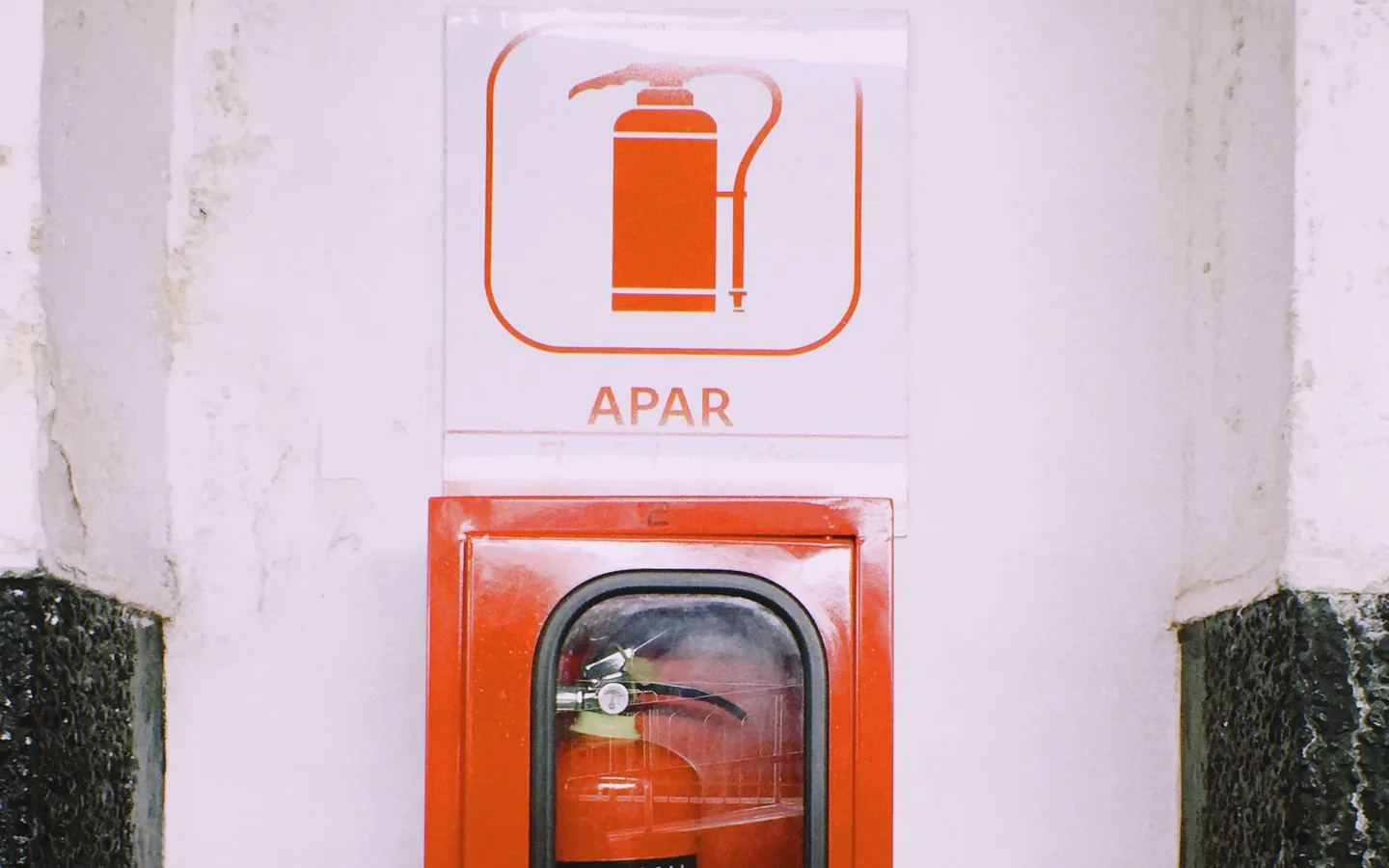
Emergency equipment context photographed by W L M A P T R on Pexels. This image illustrates equipment, not a drill outcome.
Collect observations while the detail is available
Ask observers to describe what they saw, where and when. Separate direct observations from accounts supplied later by others. If timing was recorded, explain the method and any uncertainty relevant to interpretation. Avoid creating an exact sequence from estimates that were never intended to support that precision.
Keep the account factual. “Two colleagues asked which instruction applied” gives the reviewer a question to examine. “Staff were careless” supplies a judgment without explaining the event. Preserve useful detail about the instructions, environment and activity so the responsible reviewer can consider the circumstances rather than start with an unsupported conclusion.
Hear from the people who participated
Participants may identify confusion that observers did not see. Ask what information was unclear, what they expected to happen and where the exercise differed from their understanding. Include relevant shifts, contractors or other groups within the exercise's scope. A review conducted only with the planning team may miss important parts of the experience.
Handle personal needs and sensitive details through the appropriate private arrangements. A general debrief does not need to expose individual information to establish that a particular planning question needs attention. Record the operational issue at a suitable level and route any necessary personal detail to the authorised people.
Compare observations with the agreed arrangement
Use the actual emergency plan and exercise objectives as the starting point. Ask which observations suggest unclear instructions, a planning gap or a matter needing further assessment. Do not substitute a generic benchmark found elsewhere for the criteria appropriate to the site. The responsible people should determine what the observations mean.
Consider a fictional exercise in which a temporary visitor group was unsure who would provide instructions. The follow-up might examine visitor information and responsibility under the existing plan. It should not jump directly to blaming visitors or inventing a new emergency procedure during the debrief. Establish the facts, involve the relevant people and record the decision.

Exercise review context photographed by Kampus Production on Pexels.
Turn findings into distinct actions
Separate a simple record correction from a substantive change requiring assessment. Assign each action to someone who understands the concern and can obtain the necessary support. “Improve drill performance” is too broad to guide work. Describe the question or outcome, the next step and the person accountable for moving it forward.
Agree evidence appropriate to the action. Updating a document establishes that a revision exists; it does not necessarily show that affected people understand it. Where communication or a later check is needed, make that work visible. Avoid marking the whole finding closed because the first administrative task was completed.
Communicate the relevant learning
Give participants an understandable update about what the review established and what will happen next. If a question remains open, say who is reviewing it rather than offering an unsupported assurance. Share the relevant changes through normal arrangements so people absent from the debrief receive the information they need.
Keep exercises and real-event reporting distinct. If a drill reveals an actual concern requiring immediate attention, follow the site's appropriate response route. Do not leave that concern waiting solely because the scheduled debrief is later in the week. The exercise record can preserve the context while the operational response proceeds through its normal process.
Revisit previous findings before planning the next exercise
Review whether earlier actions were completed and what evidence supports that position. If a similar observation appears again, examine whether the earlier response addressed the right question. A recurring issue may reflect an unclear instruction, a change in people or another circumstance. The review should establish the relevant explanation rather than simply repeat the previous action.
Use the results to inform future exercise planning through the responsible process. Do not assume every finding requires the same kind of repeat test. The purpose and scope of the next exercise should be considered in context, including applicable requirements and competent advice. Keep the rationale so future planners understand why the exercise was designed as it was.
Separate a timing measure from a full evaluation
An exercise may produce a recorded duration, but that number should remain connected to its definition. Explain the start and finish points and any limitation in how they were observed. Avoid comparing different exercises as though they measured the same sequence when their scope, participation or conditions differed. The responsible evaluator needs that context before drawing conclusions.
Do not let an attractive headline measure displace qualitative observations. Confusing instructions or an untested assumption can matter even when the recorded duration looks similar to an earlier exercise. Bring relevant observations into the review and let the appropriate people assess their significance. The purpose is understanding the arrangement, not achieving a number detached from the exercise's objectives.
Where the team changes its measurement method, document the change for later comparisons. Keep previous results in their original context instead of rewriting them to fit the new approach. This makes the exercise history useful to future planners and prevents a trend line from suggesting improvement or deterioration that actually reflects a different way of recording the event.
Keep a readable exercise record
A useful file connects the plan, observations, review decisions and follow-up. Use clear dates and identify later clarifications. Keep supporting material accessible to authorised reviewers without duplicating sensitive information across general folders. Someone joining the team should be able to understand the exercise's scope and remaining work without interviewing every original participant.
HSE's Great Britain leadership review guidance provides a general reference for examining the effectiveness of arrangements. The exercise workflow here is practical advice, not a legal drill schedule or a technical emergency plan. Establish those requirements for your own location and activities.
Explore Inspections and Reporting. Read Verify corrective actions against the original concern to make the follow-up evidence as clear as the initial observation.
← Back to the blog