
The practical answer
Review the actual event audience and activities, then give each handover an owner.
A performance evening, open day or community event changes the way a school operates. Visitors may be unfamiliar with the site, rooms may have a different layout and staff may be working outside their usual timetable. Reusing an ordinary school-day plan without examining those differences can leave practical gaps. Event preparation should explain the actual use of the building and connect the decisions that make that use possible.
This is a guide to organising preparation and handovers. The school's responsible people should determine the assessments, approvals and specialist advice needed for the event. In England, the Department for Education's school health and safety responsibilities guidance is a primary reference. Requirements elsewhere differ, and a general event checklist does not establish local compliance.
Define the event before collecting documents
Write a short description of the event, its audience, timing, spaces and planned activities. Include preparation and clearing-up periods because the building may operate differently during those periods too. Identify the event lead and the person authorised to approve the arrangements. Keep the current version clear when the programme changes.
Distinguish confirmed plans from ideas. A proposed refreshment area or additional performance may introduce questions about room use, equipment, suppliers and staffing. Record the proposal before communicating it as settled. The person approving the event needs the real scope rather than a plan that gradually expands through informal promises.
List the teams whose work is affected. The office, site team, teaching staff, external providers and cleaning team may each hold part of the picture. Ask for the specific information needed from each role. A meeting with a clear question for every participant is more useful than inviting everyone to read a large shared folder.
Walk through the visitor journey
Consider how a visitor finds the correct entrance, understands where to go and obtains help. Test the instructions using someone unfamiliar with the event. Local room nicknames and staff assumptions often become visible immediately. Use the school's approved arrangements for access and visitor management rather than inventing a parallel process for the occasion.
Review changes to normal routes and room layouts with the responsible people. A temporary display or queue arrangement may affect how the space is used. Do not assume an ordinary classroom assessment automatically describes an evening audience or a rearranged hall. Make the changed use a visible review question.
Think about the timing of arrivals and departures. A programme that looks manageable on paper can create several activities ending together. Bring those timings into the review so the responsible team can consider their implications. The organiser's task is to provide accurate information and resolve dependencies, not make unsupported technical judgments.
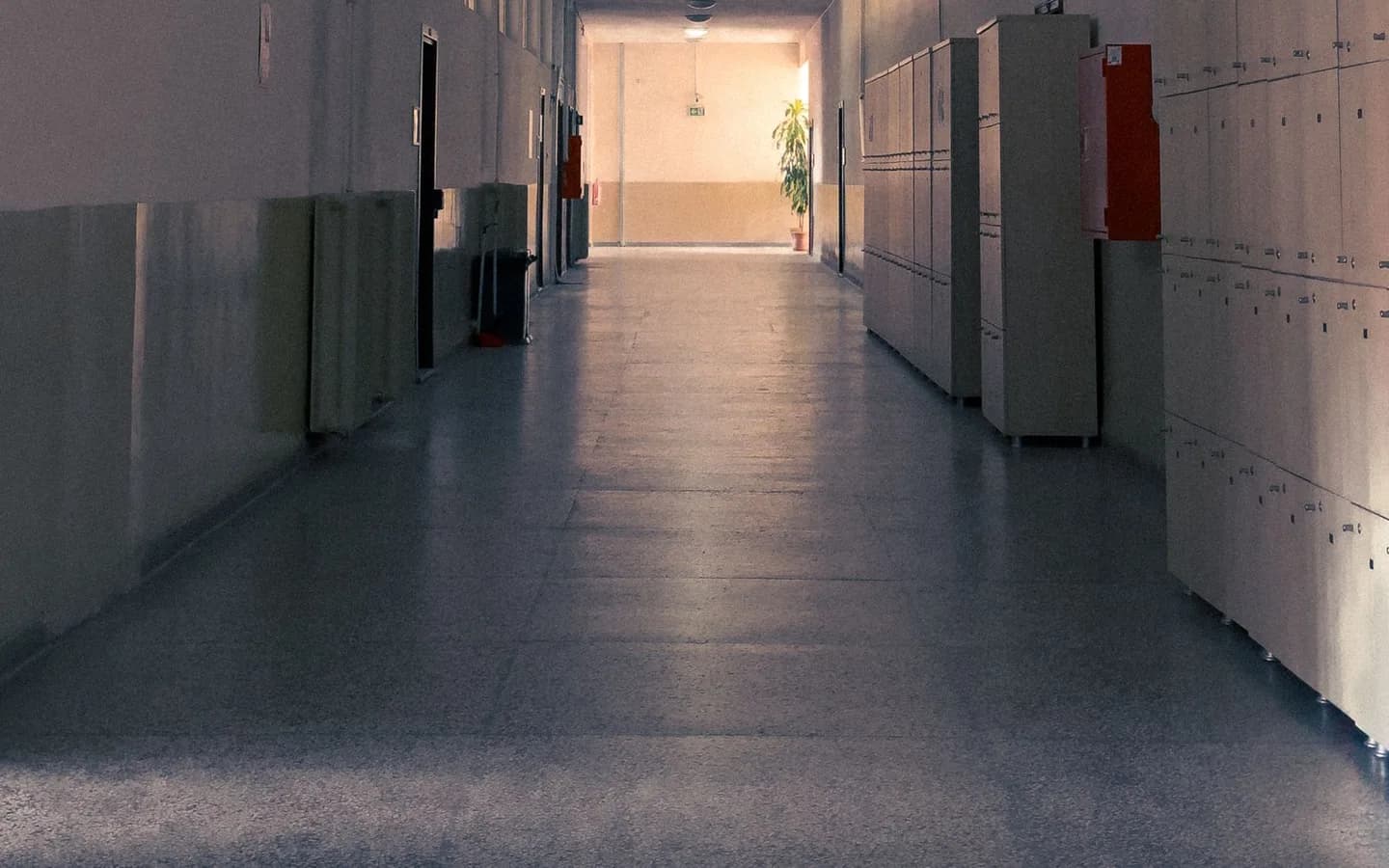
Visitors need instructions that do not depend on knowing the school's ordinary routines. Photo: Burak Ensar BAL / Pexels.
Give each provider a clear boundary
Where another organisation supplies an activity or service, agree what it is providing and what the school is providing. Record the contact, arrival arrangement, space and information that must be reviewed under school procedures. Do not let a purchase order serve as the entire operational brief.
Ask what happens if the provider changes the proposed activity or sends different equipment. Identify who can consider the change and how the updated arrangement reaches the event lead. This matters even when the provider is familiar. Previous attendance does not explain the scope of the current event.
Keep the outstanding requirements visible. Received documentation, reviewed documentation and an approved arrangement are different states. If a question remains open, name the decision owner and the information needed. An organiser should not have to imply everything is complete simply because publicity has already been issued.
Brief people for their actual role
A useful briefing explains the person's assigned task, where they report, who provides support and which approved instructions apply. Keep it short enough to use during the event. The full planning file can remain available to the relevant team without becoming the only source of practical information.
Include cover arrangements. If the event lead is occupied, staff need to know whom to contact. If a volunteer cannot attend, the replacement needs an appropriate briefing rather than being handed a badge and directed towards a door. Use the school's procedures to decide which responsibilities may be allocated to whom.
Avoid unnecessary circulation of pupil or family information in staffing lists and event messages. Give each role the information needed for its work through approved channels. A broad event group is rarely the right place for a sensitive individual account. Refer such information to the relevant established process.

Briefing roles and decision routes helps the event team handle changes consistently. Photo: Kampus Production / Pexels.
Plan the return to ordinary use
The event is not operationally finished when the audience leaves. Establish who checks the agreed handback of rooms, equipment and access arrangements. A classroom needed early the next morning should not depend on an unstated assumption that someone will restore its layout. Assign the task before the event.
Record any defects, missing items or unfinished work through the school's normal routes. If a room cannot return to its planned use, communicate the approved alternative to the affected staff. Keep any decision about suitability with the responsible person. Tidying a space is not the same as resolving a technical concern.
Hold a concise review after the event. Ask which instructions were unclear, which changes arrived late and whether the handback worked. Preserve useful learning in the event template while keeping personal information within its proper records. The next organiser should inherit a better planning process, not an unexplained archive of last year's messages.
Test one late change before the event
Use a fictional programme change to test the preparation process. Suppose a session is moved to a different room after the first briefing. Identify who reviews the change, which instructions need updating and who confirms that the affected staff received the current version. The exercise should include any provider or visitor communication that depends on the location.
Then ask what happens if the change cannot be agreed in time. The organiser needs a decision route and an understandable alternative under school procedures, rather than pressure to make the original promise work at any cost. Record the outcome in the planning file so colleagues can see which arrangement is current.
This small rehearsal often identifies a missing owner or an unclear communication step. Fix that specific gap before the event. A tested change process is useful because real events rarely follow the first draft exactly, even when the overall preparation has been careful and well organised.
Use School risk assessment reviews when event plans change and School facilities inspections for the physical handover. Risk & Control Management within CerthixED is a relevant area to explore using one of your school's actual events.
← Back to the blog